Beyond Kibble: Decoding the ₹10,000 Cr Shift in India’s Pet Care Economy
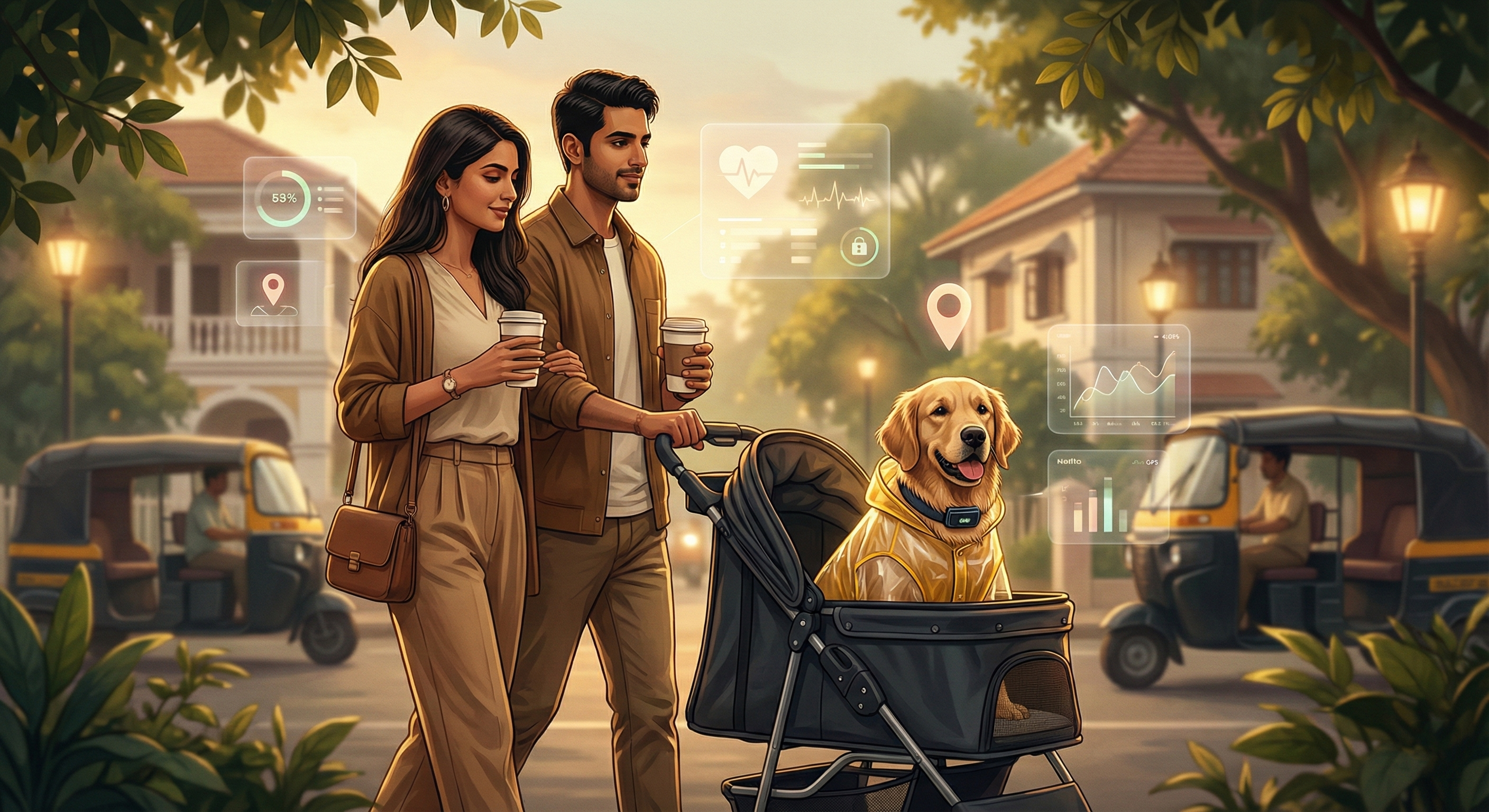
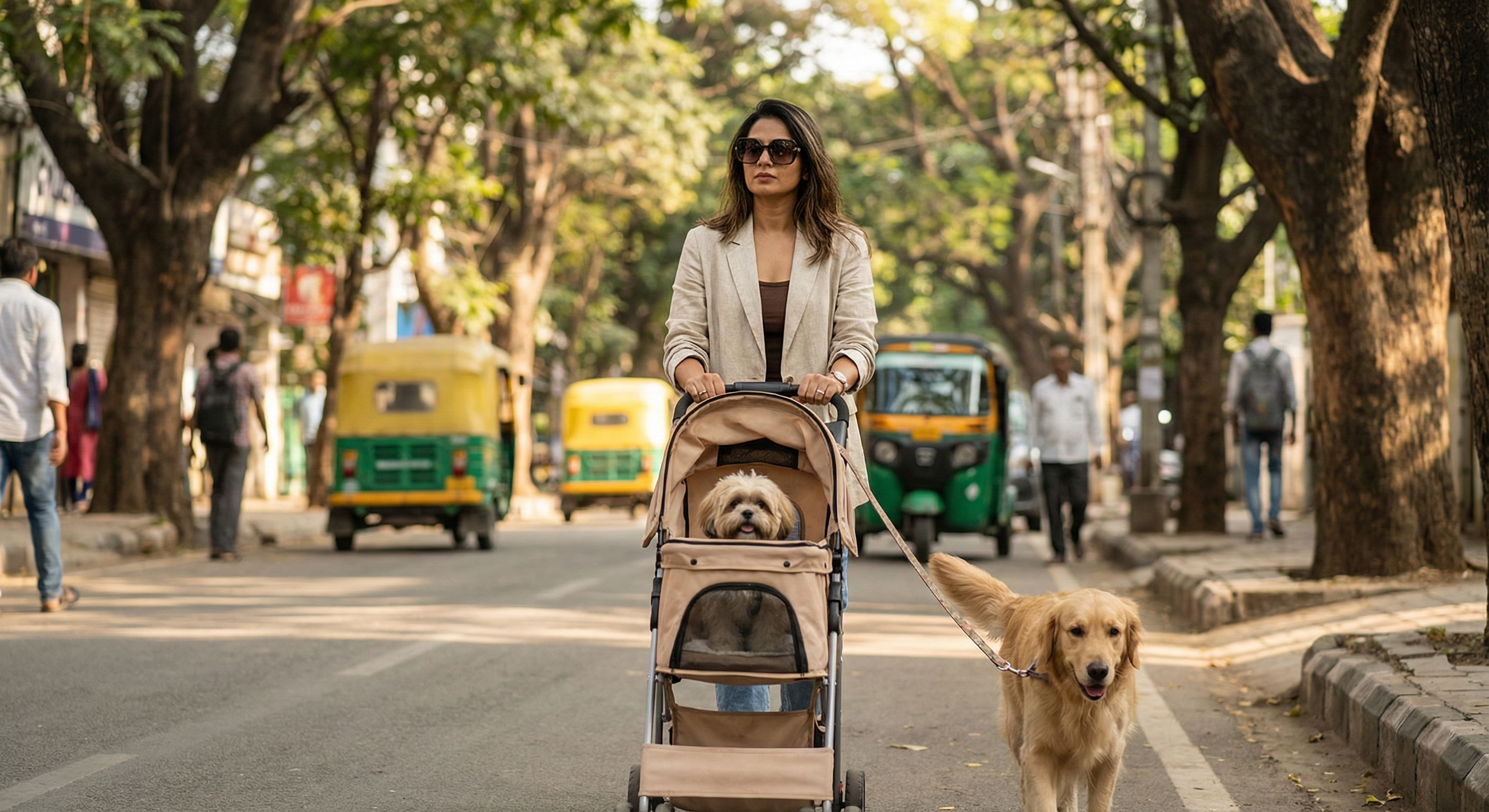
If you walk into a park in Indiranagar, Bandra, or DLF Cyber City today, you won’t just see dogs being walked.
You’ll see fur babies in strollers, raincoats, GPS collars, and curated diets.
The Indian pet care story has quietly crossed a psychological line.
It’s no longer about ownership.
It’s about parenting.
For founders and tech leaders watching this space, the signals are impossible to ignore. India’s pet care market is projected to cross ₹10,000 crores by 2027, growing at 18%+ CAGR. But the easy phase of relabeling generic kibble is done.
The next decade belongs to specialization, technology, and emotional trust at scale.
This is a grounded look at where the Indian pet economy really is — and where defensible value will be created by 2026.
The Macro Shift: From “Guard Dog” to “Family Member”
The economics changed because emotions changed first.
Pet spending in India now mirrors child care behavior more than FMCG behavior. That single shift rewrites pricing power, retention, and brand loyalty.
What’s Driving It
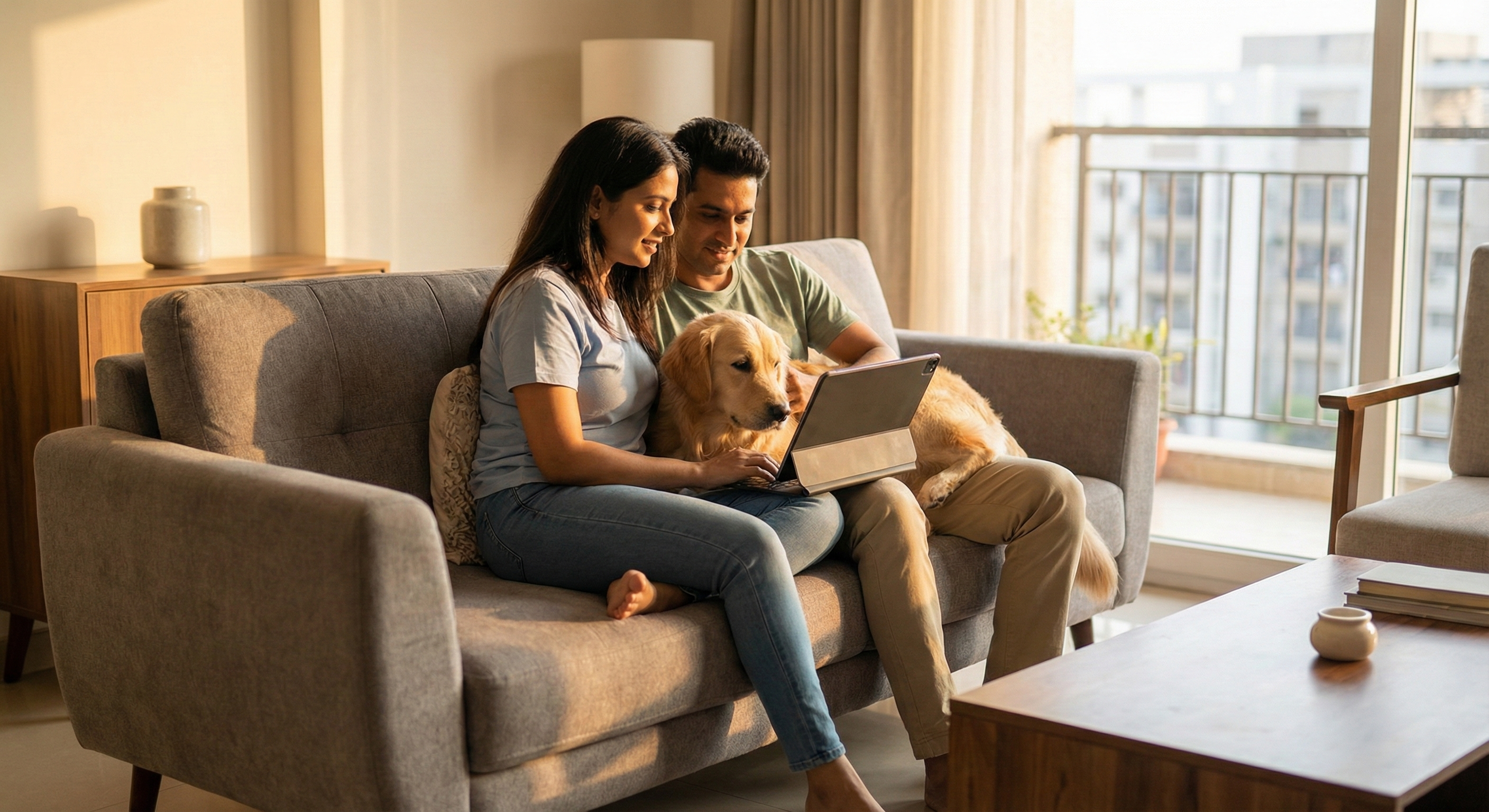
DINK households are the new core segment.
Double-income, no-kids couples in Tier-1 cities treat pets as surrogate children. They have high disposable income and low price sensitivity when it comes to health and well-being.
The pandemic puppy boom is maturing.
Millions of pets adopted during 2020–2021 are now adults. By 2026–2027, India will see a sharp rise in geriatric pets — arthritis, kidney issues, dental disease. This market is large, recurring, and badly underserved.
Premiumization is real.
Basket sizes are growing not because people buy more, but because they trade up. ₹100/kg commodity feed is being replaced by ₹700–₹900/kg grain-free, protein-dense, condition-specific diets.
When emotional stakes rise, consumers stop optimizing for price and start optimizing for peace of mind.
The Opportunity Radar: Where the Real Gaps Are
The harsh truth: generic dog food is a bloodbath. Global giants and domestic incumbents own shelf space and distribution. Competing there is a margin-destroying war.
The white space sits elsewhere.
The Cat Gap
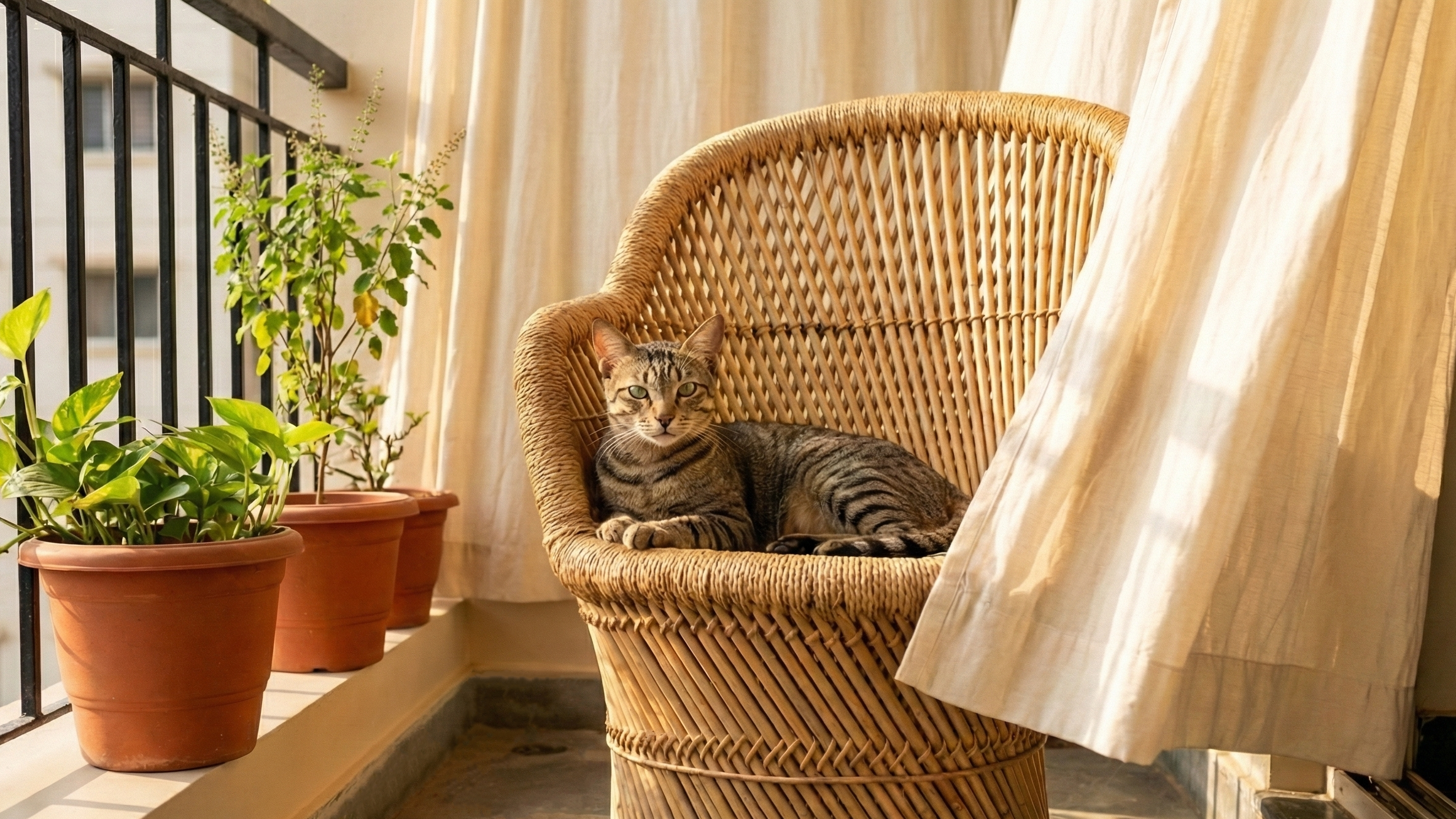
Cats are the fastest-growing urban pet segment. Apartment-friendly, low-maintenance, and increasingly popular among young professionals.
Yet over 80% of Indian pet retail space is still dog-centric.
High-quality, species-specific cat nutrition, enrichment, and litter solutions are scarce. This is one of the cleanest supply-demand mismatches in Indian consumer markets.
Geriatric Care & Preventive Health
India’s pet population is aging, fast.
Joint degeneration, renal disease, obesity, and dental issues will dominate spend over the next five years.
The obvious product shift is toward functional nutrition — joint chews, renal diets, dental care.
The deeper opportunity is services.
Tele-vet access, diagnostics, subscriptions, and insurance-linked care models are still early — and wide open.
The Tech-Enabled Ecosystem
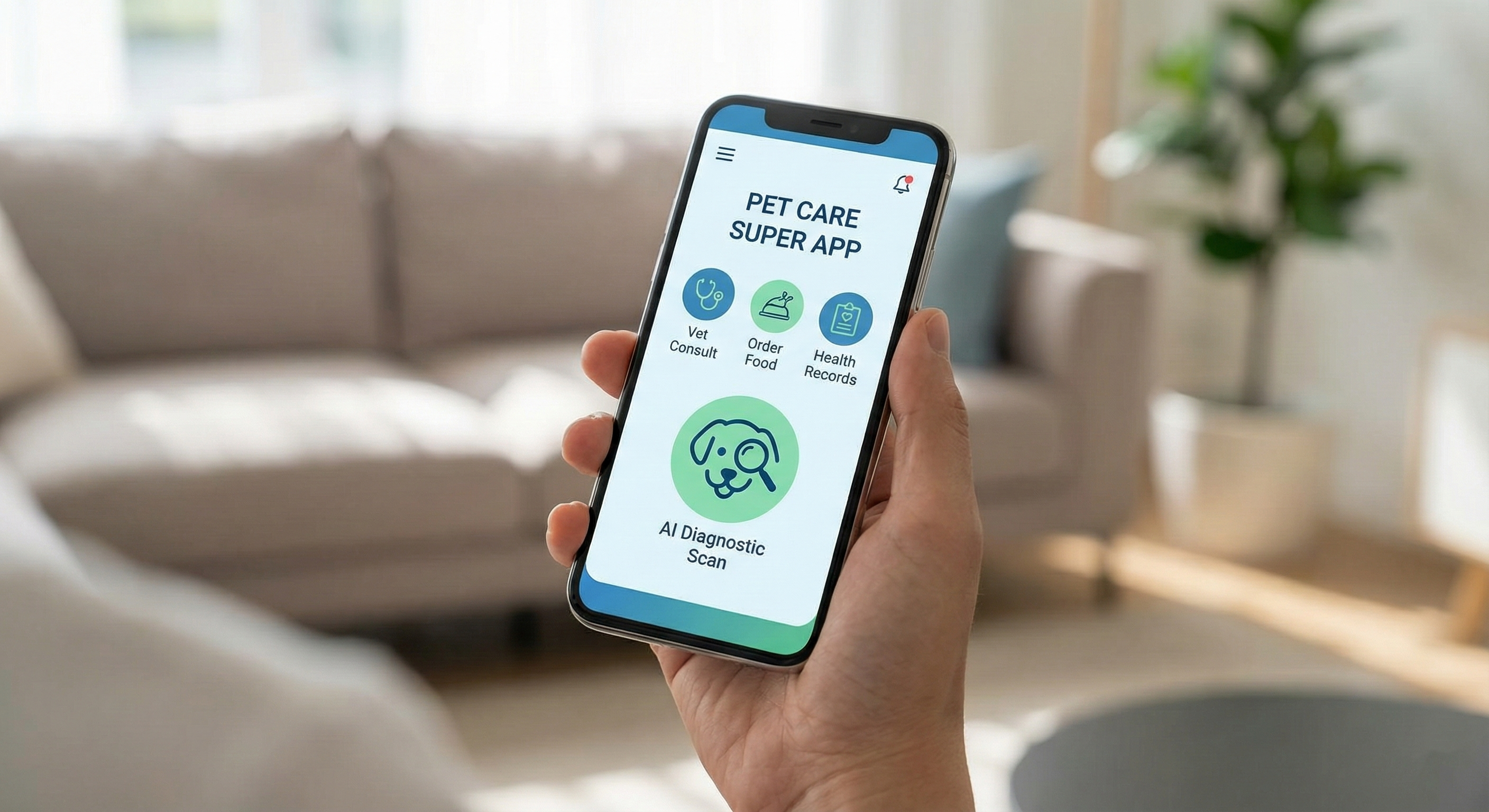
Today’s pet parent lives in operational chaos.
- Food from quick commerce.
- Vet advice on WhatsApp.
- Walkers via phone calls.
- Medical records on paper.
No single system owns the data.
The opportunity isn’t another marketplace. It’s consolidation — a unified platform or hardware-software bridge that centralizes identity, health data, behavior, and spend.
The first company to truly own pet data — not just transactions — will control lifetime value.
The Founder’s Playbook: How to Execute in India
India is not the US. Importing models blindly fails.
Winning here requires adapting to Indian speed, behavior, and infrastructure realities.
Quick Commerce Is Not Optional
Indian consumers now expect 10–15 minute delivery for essentials. Pet food and litter have crossed into that mental bucket.
If a pet parent runs out at 8 PM, waiting four days for D2C delivery is unacceptable.
Brands that ignore quick commerce will lose high-frequency, high-trust revenue.
Community Beats Paid Ads
Meta and Google CACs are brutal and getting worse.
The strongest pet brands are content companies first. They solve real problems — training, nutrition anxiety, health fears — long before selling anything.
Trust compounds. Ads don’t.
Own the Data, Not Just the Storefront
Headless commerce is table stakes for speed.
But the real moat is data.
Knowing breed, age, allergies, and behavior enables personalization that feels like care, not marketing. Birthday nudges. Senior transitions. Preventive reminders.
That’s how retention becomes structural.
The goal isn’t personalization for conversion. It’s personalization for responsibility.
The Future Horizon: 2026–2030
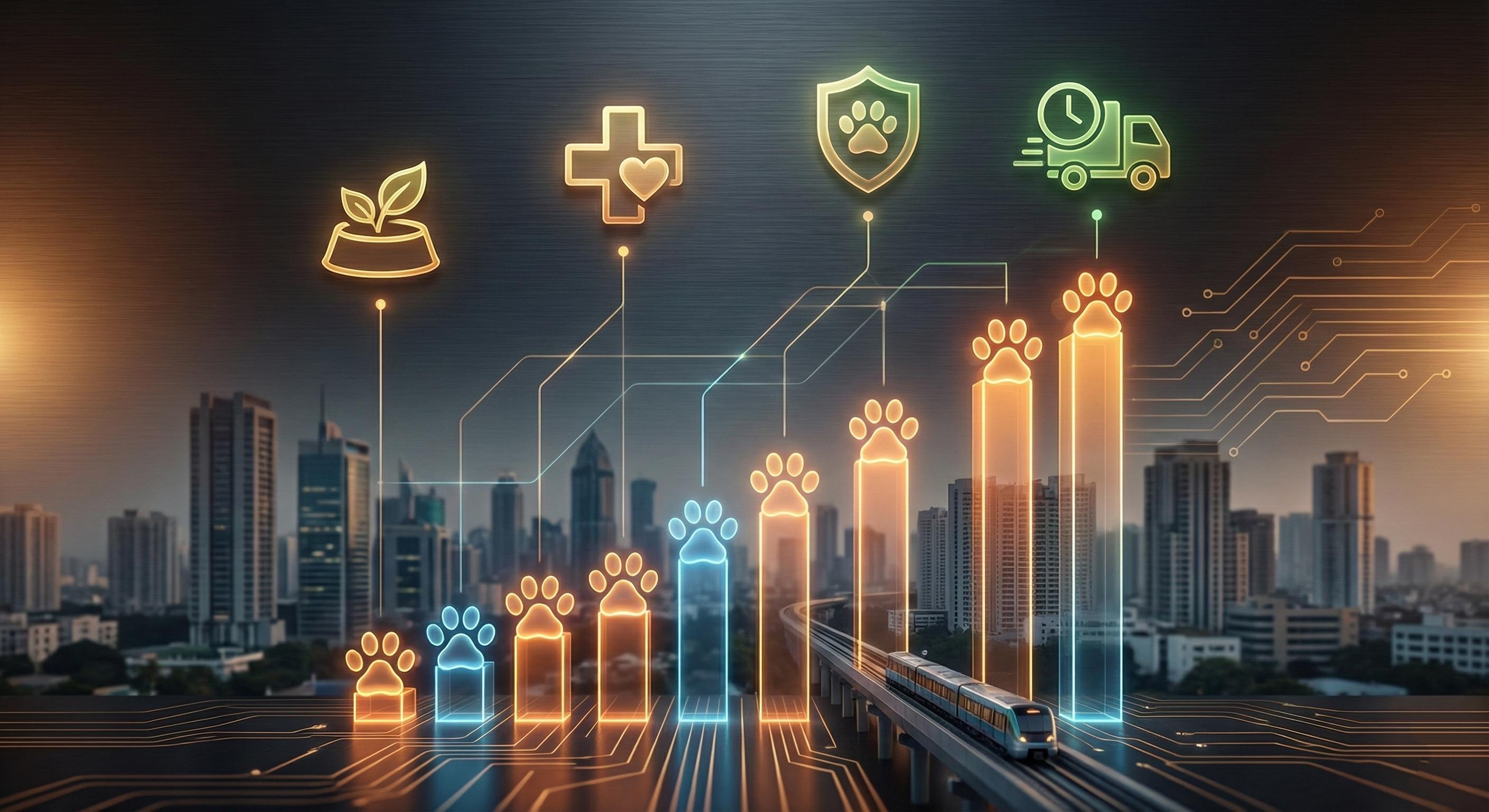
The next wave is already forming.
AI-assisted diagnostics will move basic health screening into the home.
Fresh, preservative-free pet food subscriptions will normalize for upper-middle-class households.
Pet insurance will shift from novelty to necessity as advanced procedures become common.
India will not leapfrog the West by copying it.
It will leapfrog by compressing services, speed, and empathy into fewer platforms.
Closing Thought
The Indian pet care market is no longer a niche hobby economy.
It’s a lifestyle category built on emotional trust.
Brands that win won’t just sell food or accessories.
They’ll sell relief — the quiet confidence that you’re doing right by a life that depends on you.
Empathy at scale is the business model.
Explore the Interactive Strategy Report →
Are you building in the Pet Tech or D2C space? I’d love to hear your thoughts on the Quick Commerce impact on this sector. Let’s discuss in the comments.