The Phygital Frontline: Architecting HR as an Operating System for Indian Retail
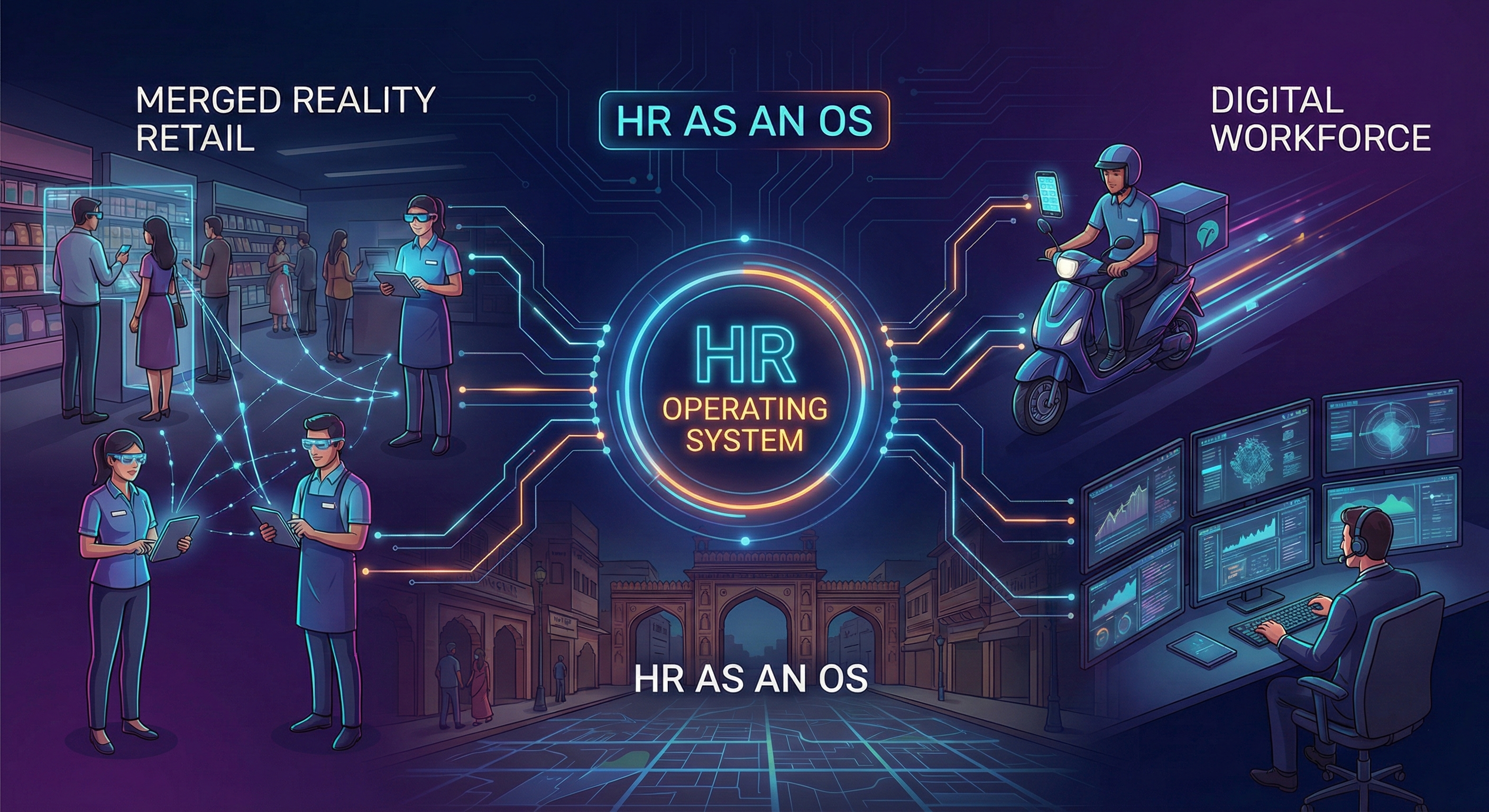
In 2026, the constraint on India’s retail growth is not capital or inventory.
It is human execution.
Retail scale is now constrained by frontline coordination, not funding or footprint.
With organised retail racing toward a $1.6T market, expansion into Tier-2 and Tier-3 cities has exposed a hard truth: high transaction velocity, fragmented geography, and a workforce where annual attrition routinely exceeds 50%.
For technology leaders, this stopped being an HR problem years ago.
It is a distributed systems problem.
The old HR monoliths were built for payroll cycles, not 10-minute delivery promises. What replaces them is a composable, event-driven architecture that treats workforce operations the same way modern platforms treat traffic, latency, and reliability.
1. From HR Monolith to Composable Stack
Across large Indian retailers, a clear pattern has emerged.
The Core HRMS no longer behaves like an all-knowing ERP.
The HRMS has become a kernel - a system of record, not the system of intelligence.
Intelligence now lives in the layers around the core.
Stack Topology
Core Kernel (System of Record)
Mobile-first HRMS platforms act as the authoritative source for identity, compliance, and employment state.
Constraint Engine (Workforce Management)
Specialised services handle rostering, biometric attendance, overtime rules, and state-level labour law validation.
Capability Layer (Learning & Skills)
Micro-learning engines maintain role-based skill graphs and push just-in-time training to frontline staff.
Performance Layer
Real-time goal engines map KRAs directly to store-level KPIs instead of annual review cycles.
Telemetry Layer
Engagement, rewards, and financial wellness systems act as sensors for morale, stress, and retention risk.
The outcome is not more tools. It is OS-like behaviour emerging from coordination.
2. Velocity via API: Zero-Touch Onboarding
In quick commerce and high-churn retail formats, hiring velocity is a competitive moat.
Waiting 14–21 days for manual background verification does not scale.
Onboarding latency directly limits store and dark-store expansion.
The architectural answer is synchronous API orchestration.
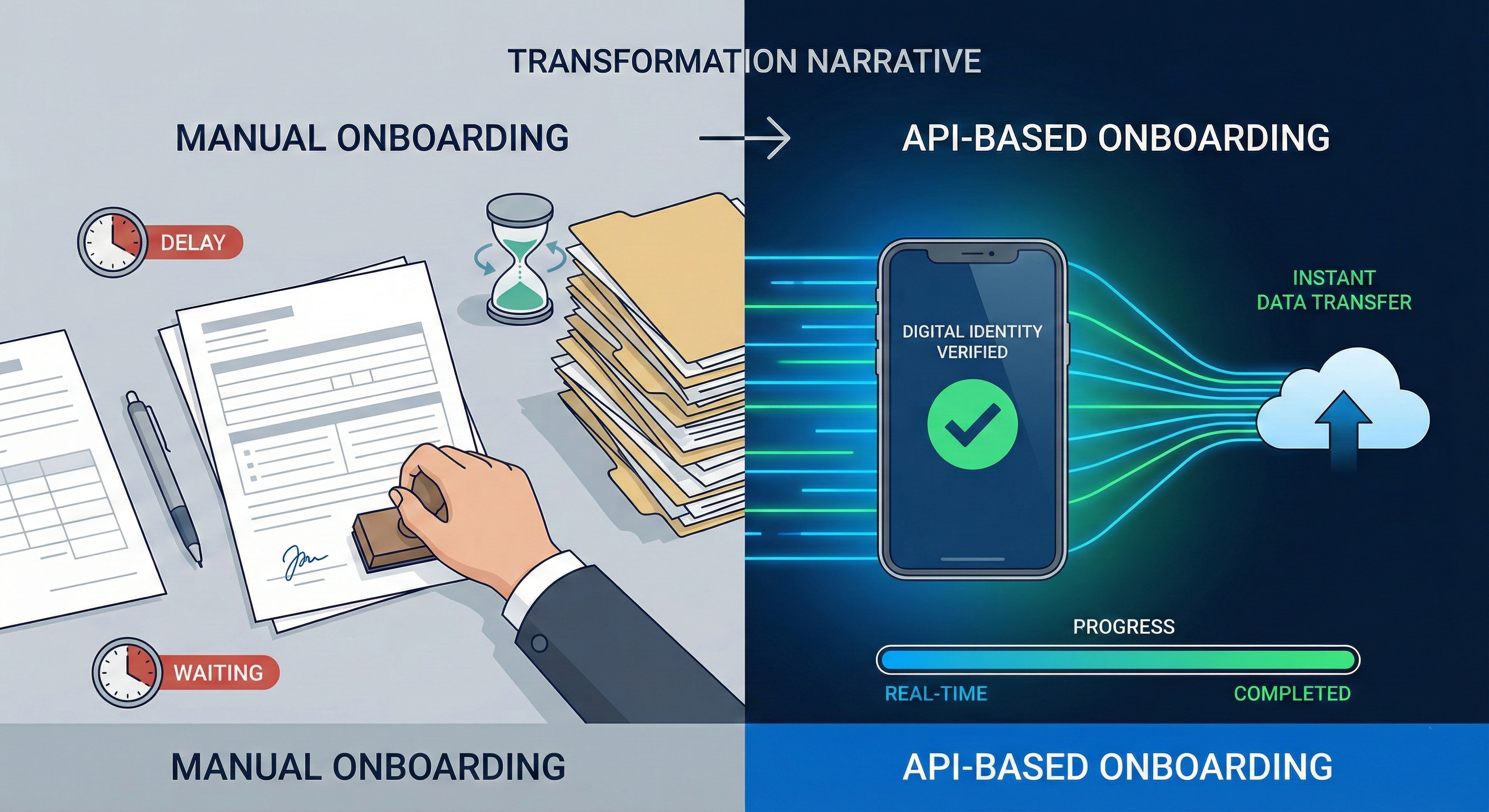
Instead of paperwork, systems exchange identity hashes and consent tokens, returning confidence scores in milliseconds.
// POST /api/v2/verification/identity
{
  "candidate_id": "CAND_5590",
  "aadhaar_hash": "e5d...9a1",
  "consent_token": "xyz...123",
  "checks_required": ["IDENTITY", "CRIMINAL_COURT"]
}

// Response
{
  "status": "COMPLETED",
  "result": "GREEN",
  "confidence_score": 0.98
}
Modern retail onboarding has collapsed from weeks to hours by removing human-in-the-loop verification.
3. Workforce Management as a Constraint Engine
Scheduling in Indian retail is not administrative work.
It is an algorithmic optimisation problem.
The WFM layer behaves like a constraint solver sitting between HR and the store.
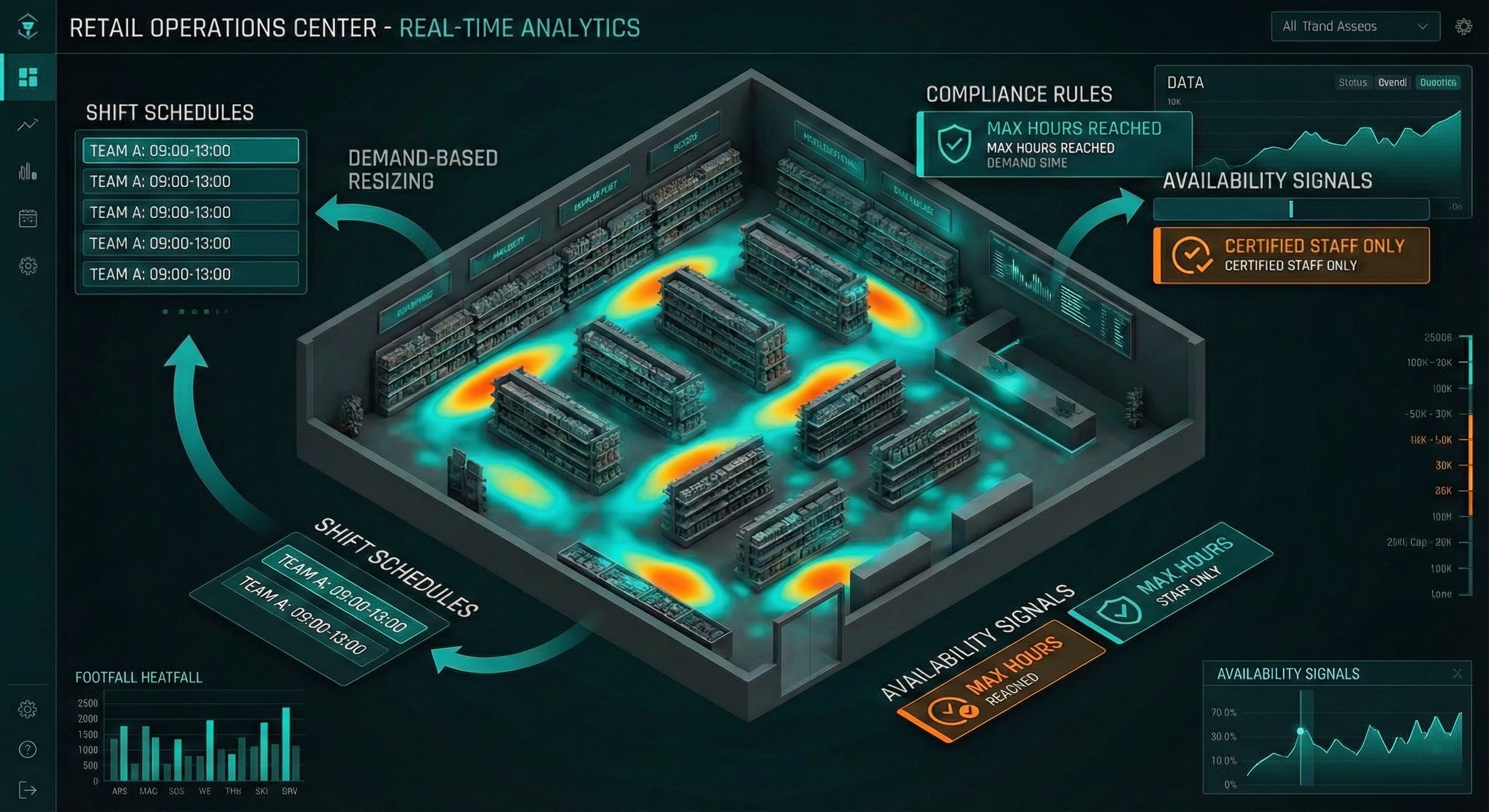
Signals Ingested
Hard Constraints
State Shops & Establishments Acts, maximum hours, female safety rules, mandatory weekly offs.
Demand Signals
POS footfall, promotion calendars, seasonal spikes.
Human Variables
Availability, preferences, shift swaps, gig participation.
The output is not a static roster.
It is a continuously re-balanced schedule.
Retailers using constraint-driven WFM report ~25% lower absenteeism and ~40% higher payroll accuracy.
4. The POS–HR Handshake: Event-Driven Performance
The most important architectural break is the collapse of the wall between sales data and people data.
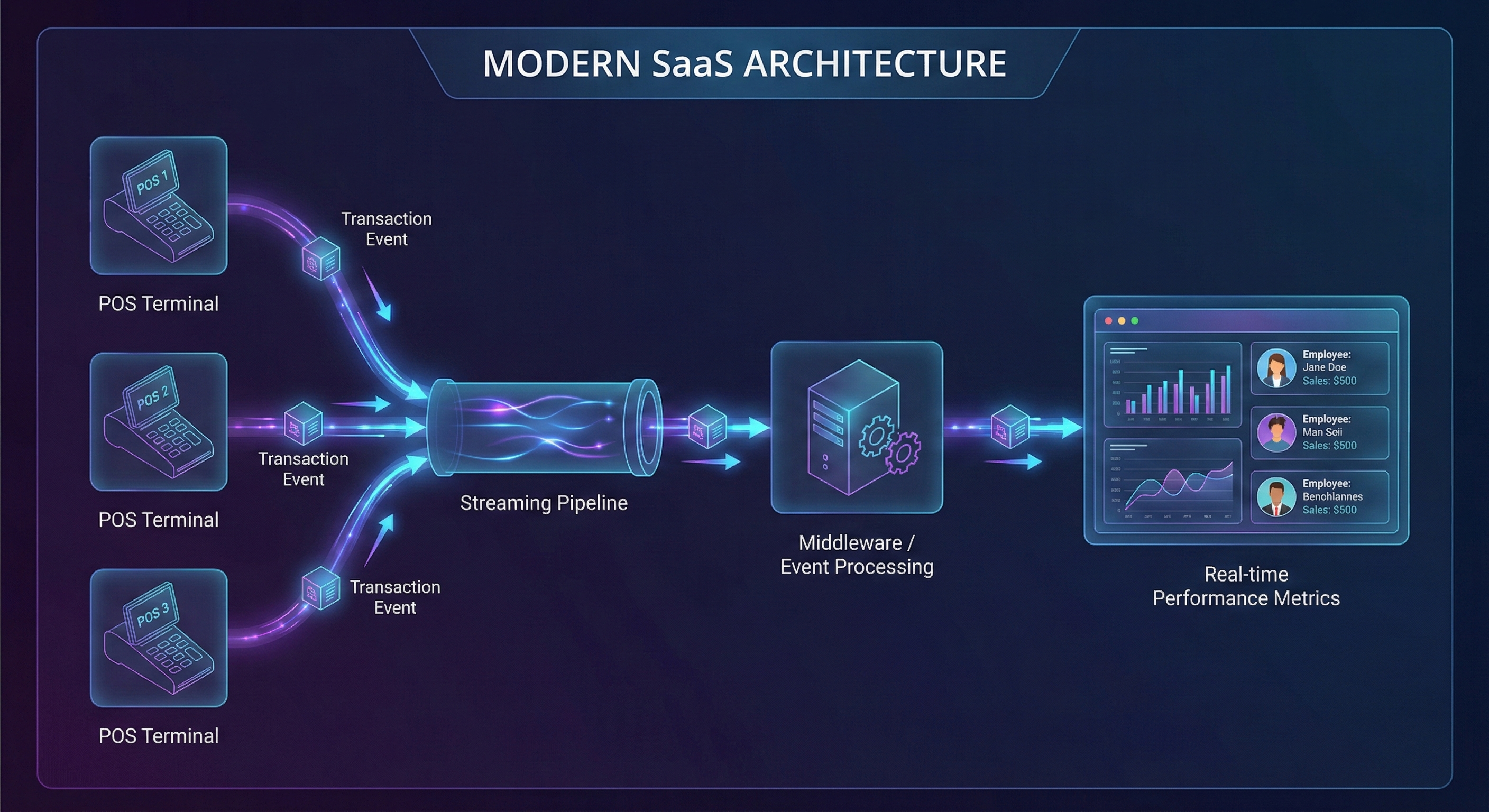
Event-Driven Architecture (EDA) makes that possible.
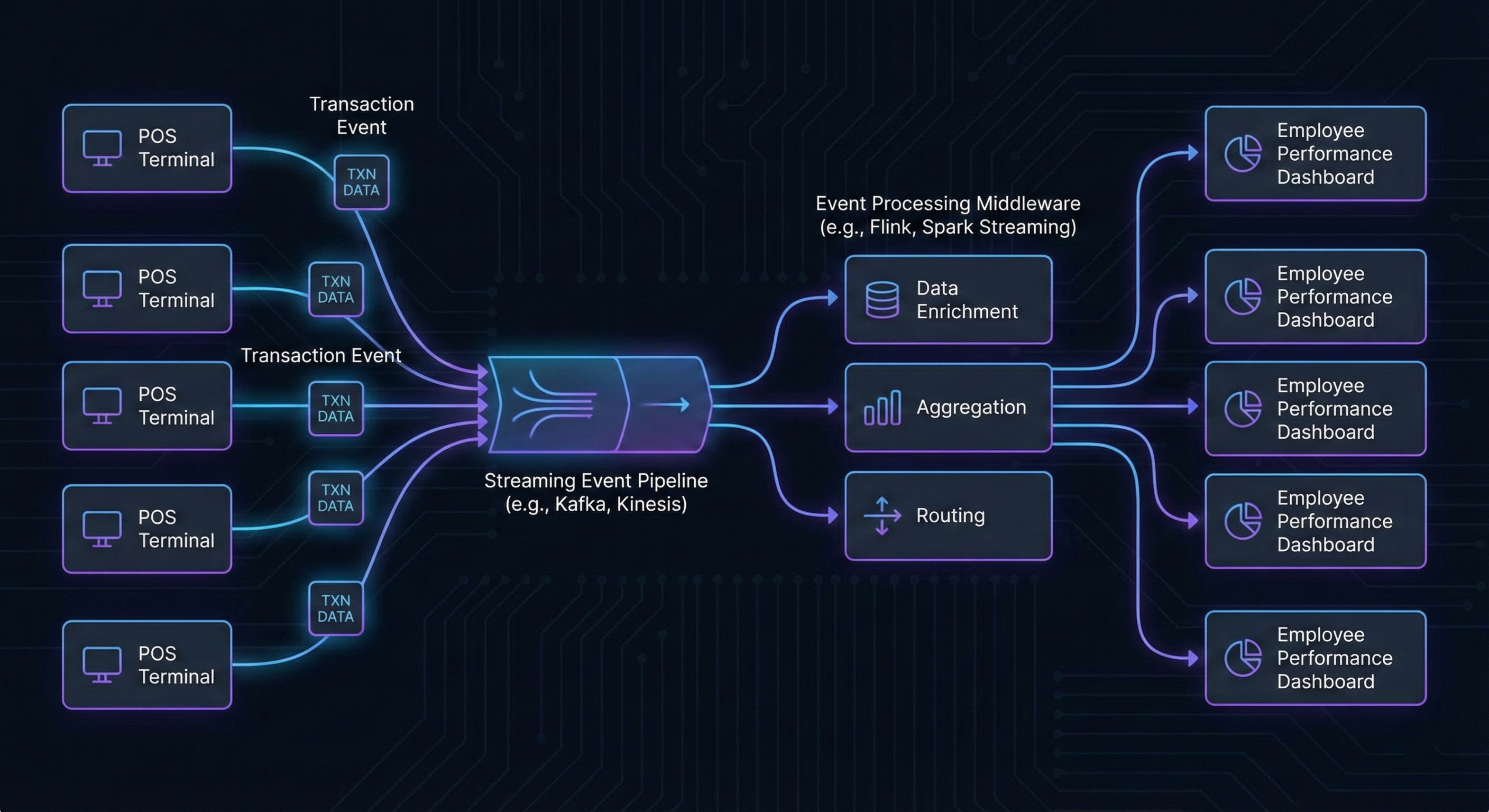
Data Topology
Event Producer
POS emits transaction_completed events.
Stream Processor
Middleware aggregates and enriches events in near real time.
Compute Engine
Metrics such as Sales per Labor Hour and Average Ticket Size are calculated per employee.
Event Consumer
Employee apps subscribe to these metrics, powering live leaderboards and incentives.
Performance feedback shifts from quarterly reviews to instant reinforcement.
5. The Agentic Future (2026–2030)
Automation is table stakes.
The next phase is agentic systems - autonomous components that negotiate and decide.
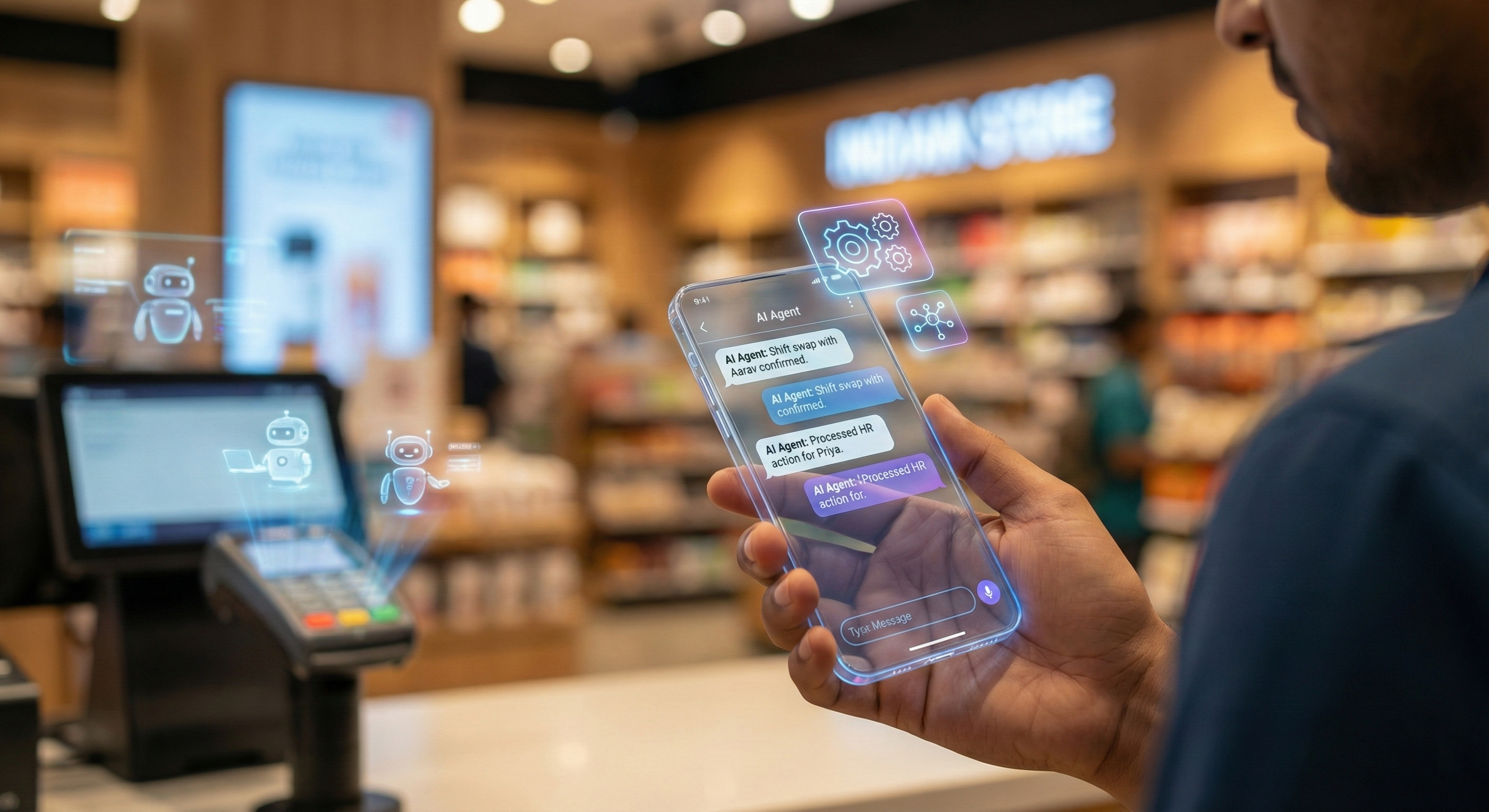
Agentic Scheduling
Employee agents negotiate shifts with roster agents over WhatsApp, validate compliance, and execute swaps without manager involvement.
Predictive Attrition
Time-series models track weak signals - attendance volatility, reduced learning activity, sentiment drift — to flag flight risk before resignation.
Zero-UI for Bharat
For Tier-3 expansion, the UI dissolves.
Voice bots in Hindi, Tamil, and other vernacular languages map spoken intent directly to backend APIs.
No apps. No dashboards. Just outcomes.
Summary for Builders
If you are building for Indian retail, your HR stack is your growth stack.
Decouple
Break monoliths into specialised, composable services.
Instrument
Treat every punch, sale, and learning action as a data event.
Automate
Remove human latency from high-volume flows using APIs and agents.
Retail scale is no longer limited by store count or capital.
It is limited by how well your systems coordinate people at speed.
That is no longer just an HR concern, it is a core platform architecture problem.